

It’s old news. Anora won. We can all pack it up and go home.
Except for me. Last year, I didn’t manage to fulfil my annual quest to watch all ten movies nominated for Best Picture at the Oscars. I submitted the thesis for my Master’s degree shortly before the ceremony and then felt too burnt out to really do anything productive after that (the whole story is here if you’re interested in further details). In the back of my mind, I knew I still wanted to watch all the movies at some point later in the future.
Therefore, I am pleased to introduce my belated breakdown of all the movies nominated for Best Picture at the Oscars 2025.
Unfortunately, due to my ongoing cowardice in the face of horror movies, I was unable to watch The Substance.
But I have good news! Instead, I have procured an expert to cover it: my friend Leah Anderson will be providing a review of The Substance. Her credentials include a Master’s degree in film history, watching 14 films at the Melbourne International Film Festival last year and nine years of on-the-ground consumer-based research (also known as working at Hoyts).
A Complete Unknown dir. James Mangold
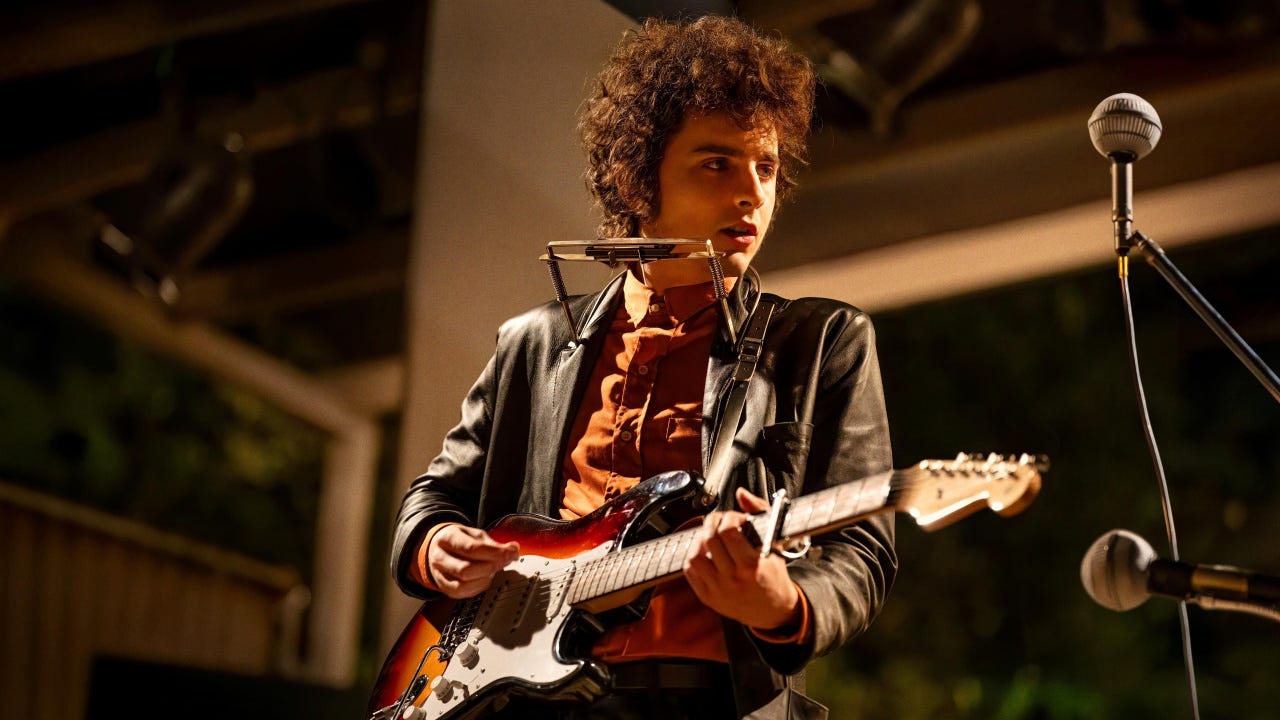
After 140 minutes, unfortunately Bob Dylan still remains a complete unknown to me. Perhaps this film provided some joy to his knowledgeable fans, but to an outsider it felt like a glorified highlight reel of his greatest hits strung together with some half-true moments from his life.
This movie was completely devoid of all the magic that usually inhabits music. It offered no real interrogation into Dylan’s creative process or decision-making. It is simply another forgettable entry in the ongoing trend of movies about male geniuses who get away with being socially awkward, uncommunicative and unkind. For those wanting a version of that story with something to say, I’d skip this and watch Tick, Tick… Boom! instead.
Timothée Chalamet, while a great actor who will likely win an Oscar one day, is not remarkable enough to save this film. Chalamet’s best performances so far have instead come when he has been directed by Greta Gerwig.
Elle Fanning (Sylvie Russo) and Monica Barbaro (Joan Baez) both manage to do their best to play Dylan’s various discarded love interests despite an overwhelming lack of interesting material to work with. Barbaro in particular shines whenever she plays Baez onstage.
Ainda Estou Aqui (I’m Still Here) dir. Walter Salles
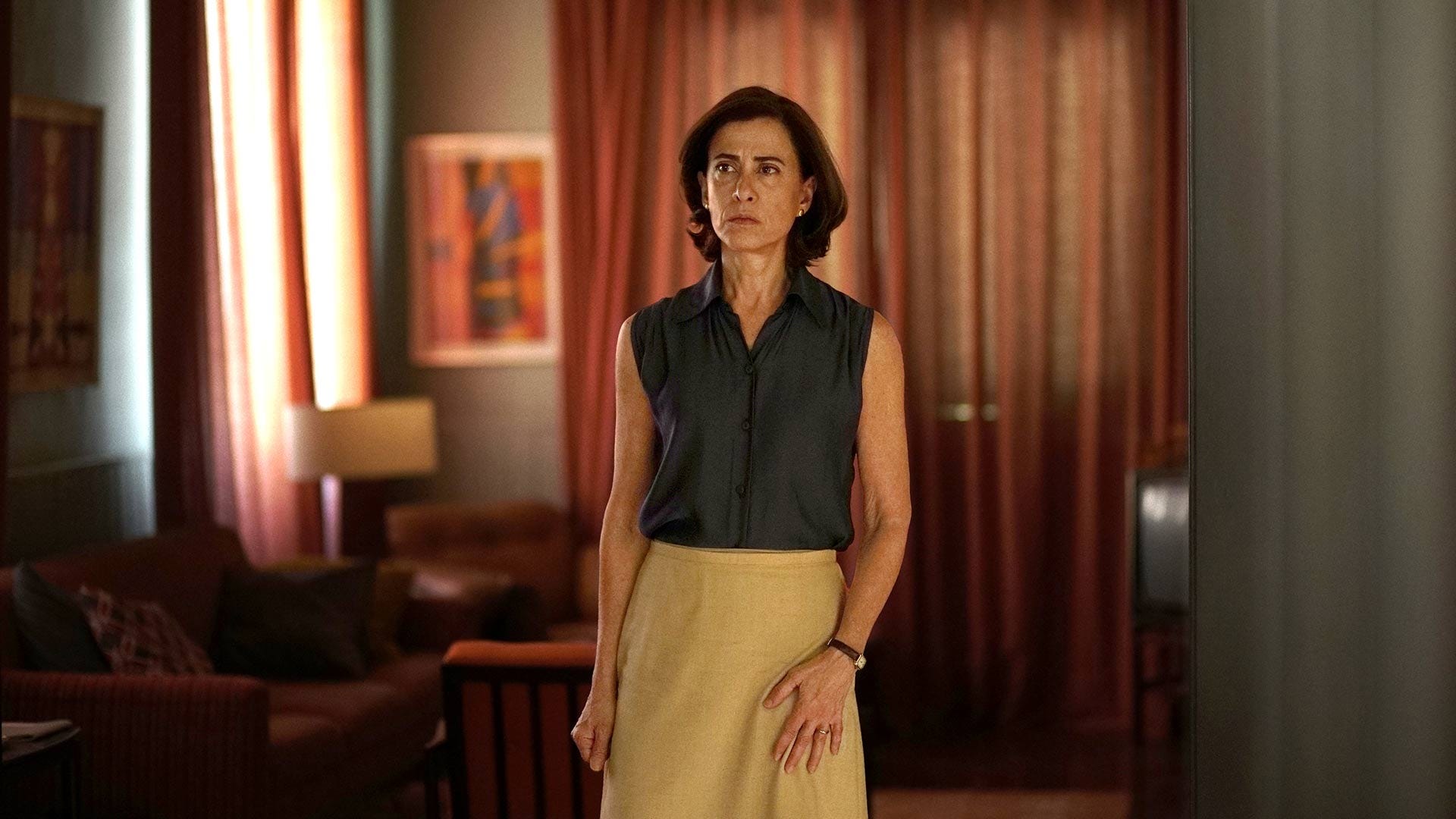
It is hard to say that I enjoyed watching a film about forced disappearances during Brazil’s military dictatorship, but I can say that I remained captivated and invested throughout. Ainda Estou Aqui is a brutal film which tells the true story of Eunice Paiva’s life after her husband is arrested by the Brazilian military. It is based on a memoir written by her son.
Fernanda Torres is magnificent as Eunice Paiva. She gets her big, splashy moments but what I loved most were the quieter ones where she is struggling yet managing to hold herself together.
Ainda Estou Aqui does such a great job of establishing the everyday life of the Paiva family. The children love music, soccer and going to the beach. They conflict with Eunice’s efforts to shield them from what is happening.
The film exposes a beautiful tension between Eunice’s frustration with her husband’s friends as they seek to hide his revolutionary activities from her while she conceals the horrors of her husband’s disappearance from their children.
It is not a narrative film’s job to teach me anything, but I do enjoy the side effect of learning about periods of history from the Oscar quest.
Anora dir. Sean Baker
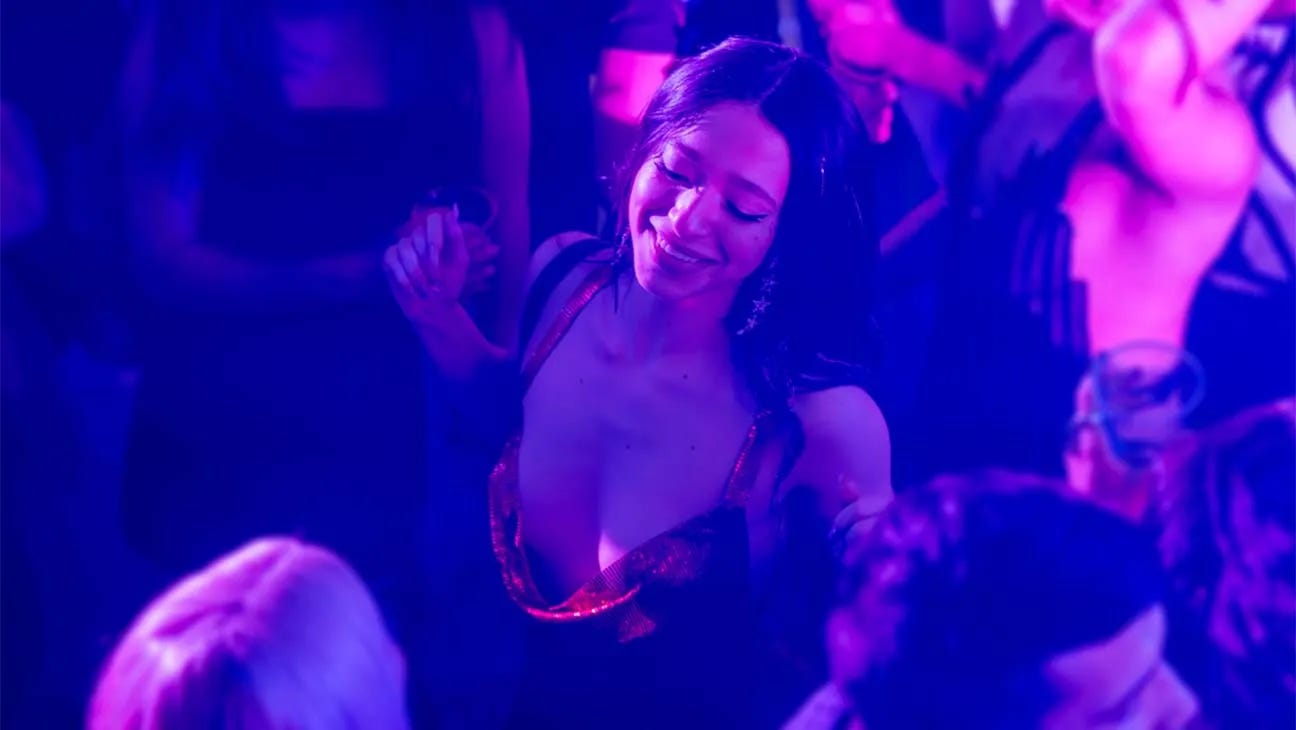
Anora is a well-made film with a clear story arc that is at its best in the comedic sequences. It was much funnier than I expected and those were the parts I enjoyed the most.
Mikey Madison delivers a spectacular performance as Anora. Her often lightning-quick switch between the bubbly, fun Ani and fierce, independent Anora was a real highlight of the film. She is a real talent who is very memorable.
Call me cynical, but I didn’t think this film contained as much Cinderella optimism as it claims to beyond a brief glimpse into Gatsby-style extravagant indulgence and carelessness. There are sources of tension in the film, but whether Anora is in love isn’t one of them. Instead, I felt we were offered a bleak outlook on the struggle of getting by in this world.
The film felt very devoid of detail at times, not really letting us into Anora’s world that deeply. I wanted to know more about her and while this presented a level of intrigue early in the film, I wasn’t left satisfied by the end.
The Brutalist dir. Brady Corbet
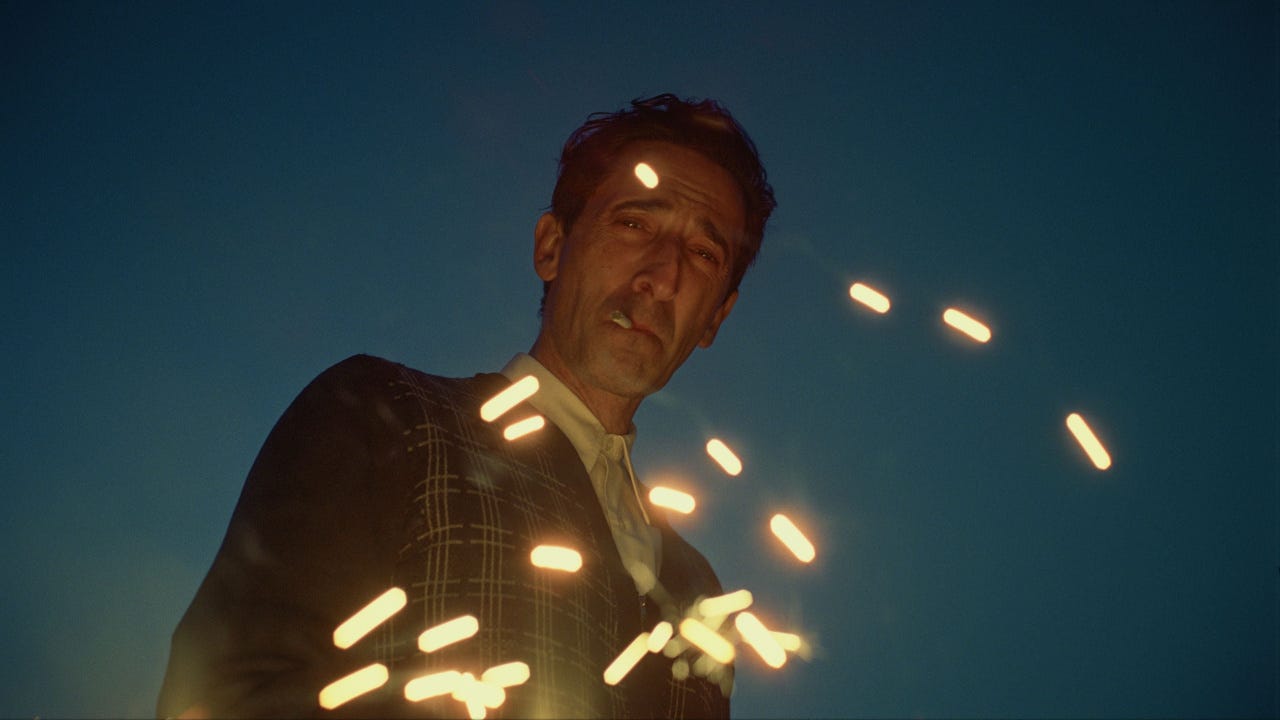
Suffering through all 215 minutes of The Brutalist made me consider implementing a DNF rule for this quest. Ordinarily, I’m absolutely fine with people switching off a movie partway through if it’s not for them. But I’ve believed that in order to review something, you need to consume it in its entirety. The Brutalist really made me question that.
I’ll start with the good: Adrian Brody is a terrific actor. While his peak might be that one episode of Poker Face, he is marvelous in this film and clearly blows Chalamet out of the water. Felicity Jones also demonstrates her value once again, as does Guy Pearce.
I enjoyed the choice to shoot on film. The movie had its moments of visual beauty, particularly the opening sequence of Lazlo arriving in New York. Perhaps those who awarded The Brutalist with Best Cinematography decided that the opening sequence was so good they could ignore the following three hours and twenty minutes of the film.
Overall, The Brutalist is way too long and heavy-handed. It does not delve into nearly enough detail to earn its runtime. It does not trust itself to deliver an understated message so instead resorts to cheap tricks.
Conclave dir. Edward Berger
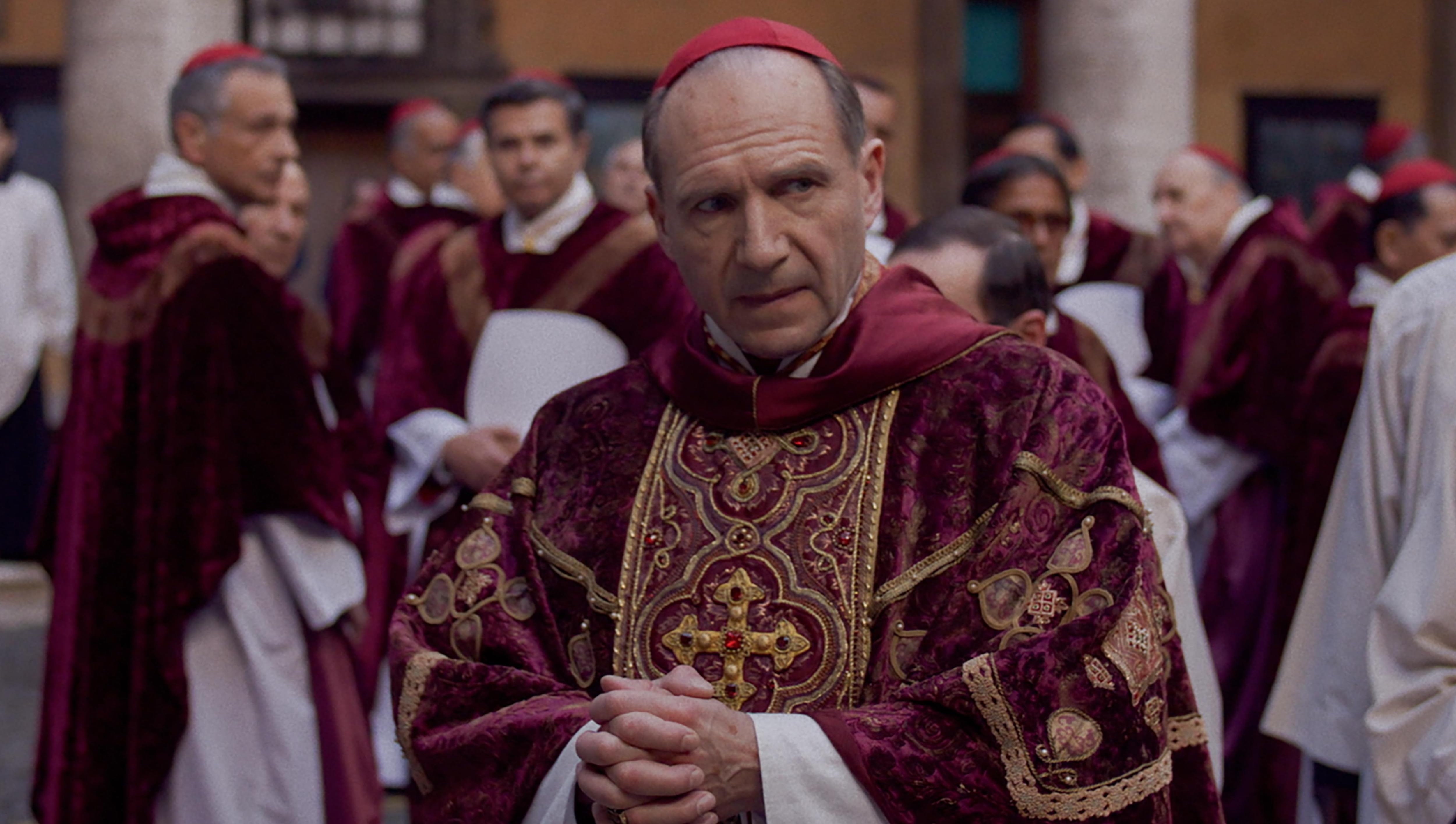
What I enjoyed most about Conclave was the idea of looking deep into a secret part of the world, the process for electing a new Pope. I greatly relish a film with a unique and distinctive viewpoint.
Conclave boasts a lineup of great acting performances: leading man Ralph Fiennes as Cardinal Lawrence, Stanley Tucci as the people’s champion Cardinal Bellini, John Lithgow as the sniveling Cardinal Tremblay and Isabella Rossellini as the quiet yet firm Sister Agnes.
The film provided great push and pull as the various candidates fought for power against each other. The set evoked an enclosed and fraught setting which only heightened these tensions.
However, for all the various threads that it pulled, it didn’t feel like the ending wove them all back together quite nicely enough.
Dune: Part Two dir. Denis Villeneuve
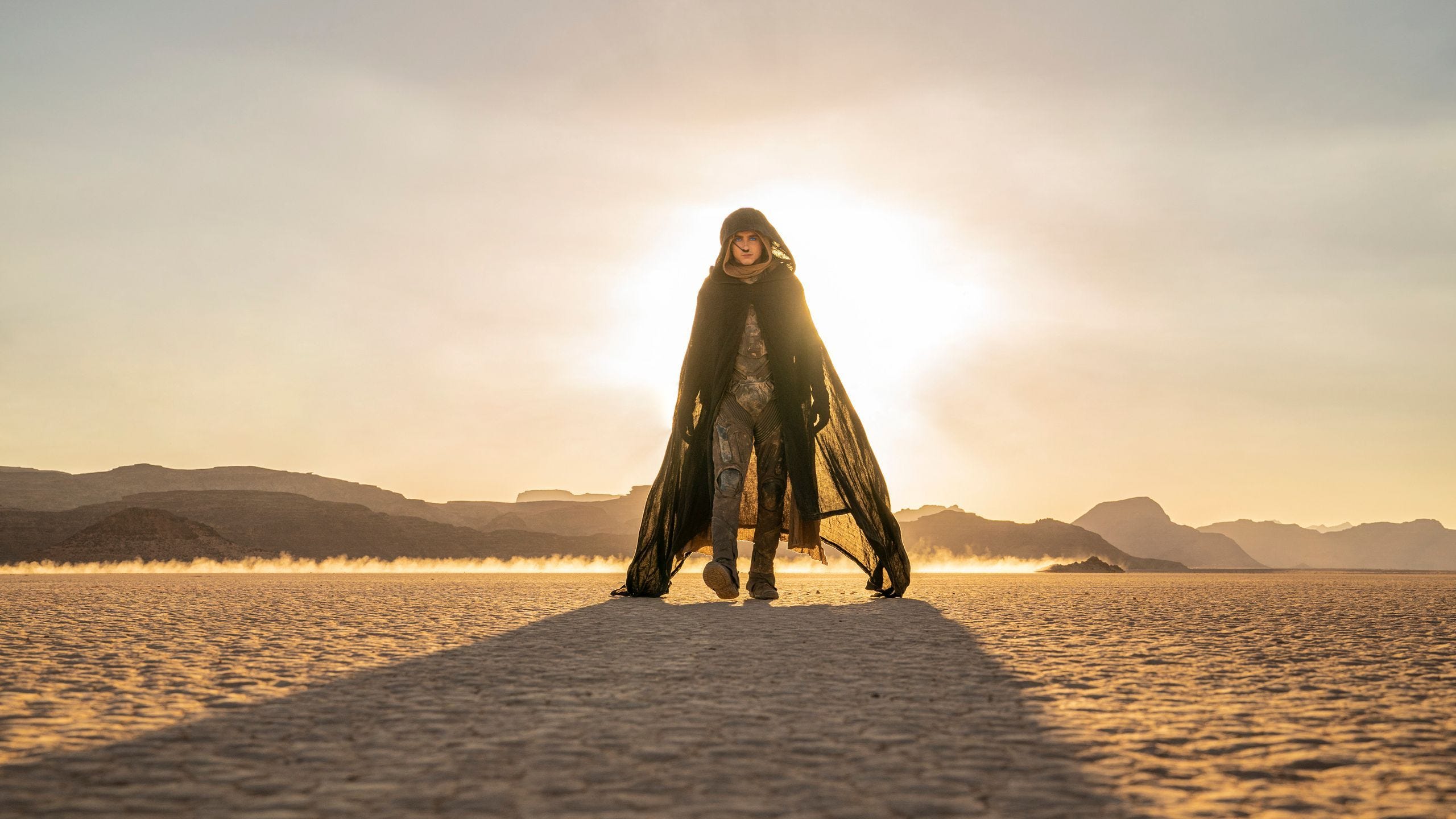
How did Dune: Part Two fall out of the conversation so quickly? It’s a mystery to me. To be fair, it doesn’t fit the Academy’s usual model in several aspects: it’s a sequel and a science fiction film. But in a lackluster line-up, I thought it would’ve shone much brighter.
Where Dune was solid and impressive, Dune: Part Two is exciting and mesmerising. The first film suffered for only being half of a story. While it looked good and felt promising, I walked away not feeling like it had stuck the landing yet. I needn’t have worried as Dune: Part Two proves that the pieces were there all along.
It’s true both that the movies are better watched as a pair, and of course that the Oscars can only adjudicate them individually.
It’s difficult to highlight a single acting performance from this film. Timothée Chalamet shines as Paul Atreides (much more so than he does as Bob Dylan), Zendaya is great as Chani and Rebecca Ferguson is excellent as Lady Jessica.
But the standout for me is Austin Butler as Feyd-Rautha. Having seen his charismatic performance as Elvis recently, the complete turnaround to become the ruthless Feyd-Rautha is impressive. It’s truly a shame that not a single member of the cast received an acting nomination.
The visuals in Dune, as always, are stunning. What made this installment a step above the first was the choice to shoot the outdoors of ‘black sun’ planet of Giedi Prime in black and white. Usually a hater of black and white visuals in the colour era, I absolutely loved this choice. It made the scenes on Giedi Prime sharp, raw and biting and well-matched the House Harkonnen.
Emilia Pérez dir. Jacques Audiard
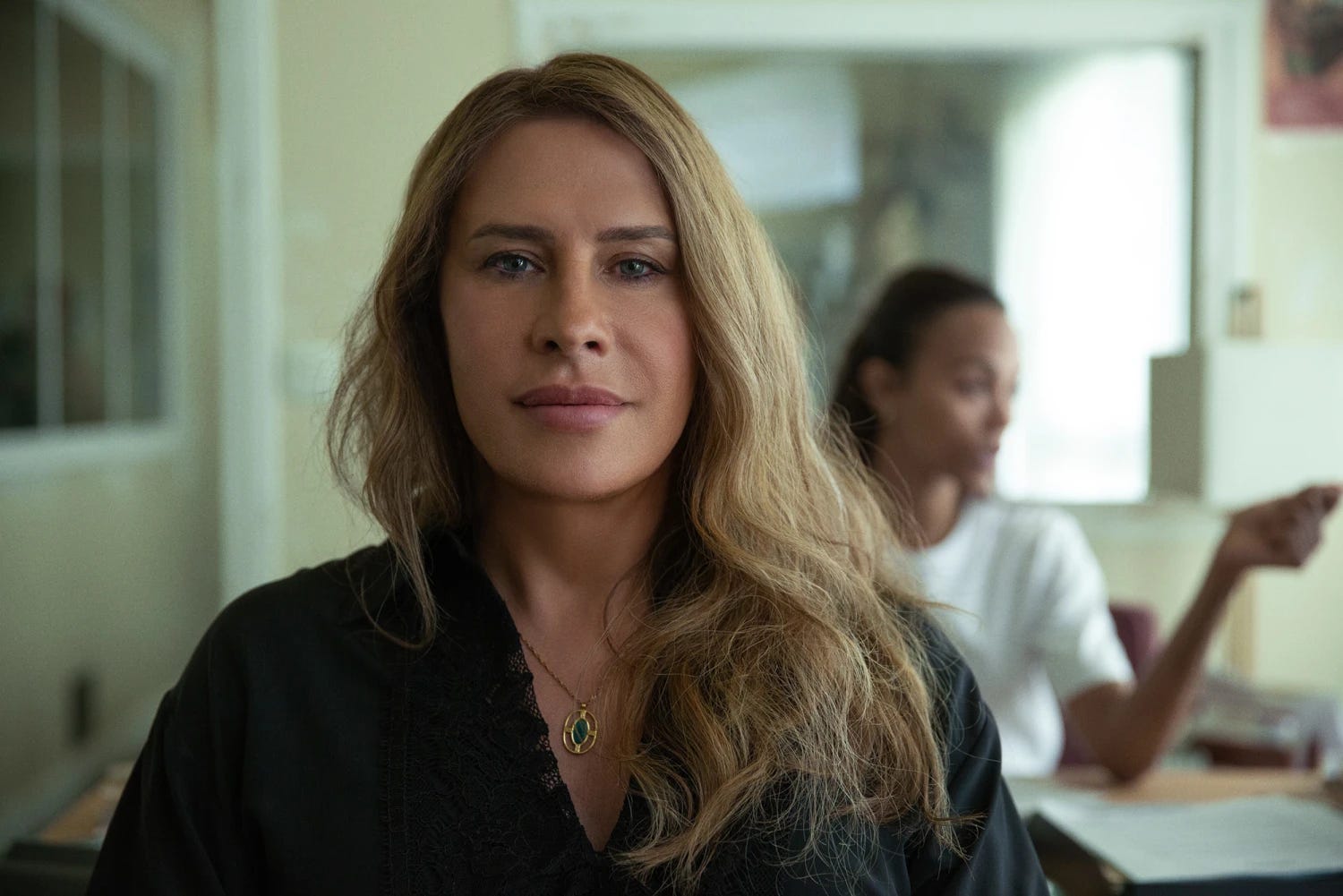
The fact that Emilia Pérez received 13 nominations is an indictment on all 9,000+ voting members of the Academy. It is one of the worst movies I have ever seen, let alone one of the worst amongst serious Oscar contenders.
Probably the nicest thing I can think to say about Emilia Pérez is that it takes bold swings. It’s just a shame that none of those bold swings pay off at all.
The music is some of the worst I’ve ever heard. The whisper-speak style of singing present throughout the film is awful. Several of the songs are simply just lists of things. They are not interesting musically or lyrically.
One thing that the film does do well is it sets up clear motivations for its leading ladies. Both Emilia (Karla Sofía Gascón) and Rita (Zoe Saldaña) are the driving force of the film. However, the film is deeply confused about who the protagonist is. It basically forgets about what Rita wants in the second half.
Jacques Audiard’s terrible direction reveals itself everywhere in the film: the lackluster performances from across the cast, the confused script and the awful writing. Perhaps the worst offender is the continued choice to signify location changes using onscreen text followed by a boring interior soundstage shot completely void of a sense of place. The decision to tell a story across so many different countries should be a strength of the film. Instead, it barely feels like we are anywhere at all.
Emilia Pérez is not worth watching, not even for the meme value or to be part of the conversation.
Nickel Boys dir. RaMell Ross
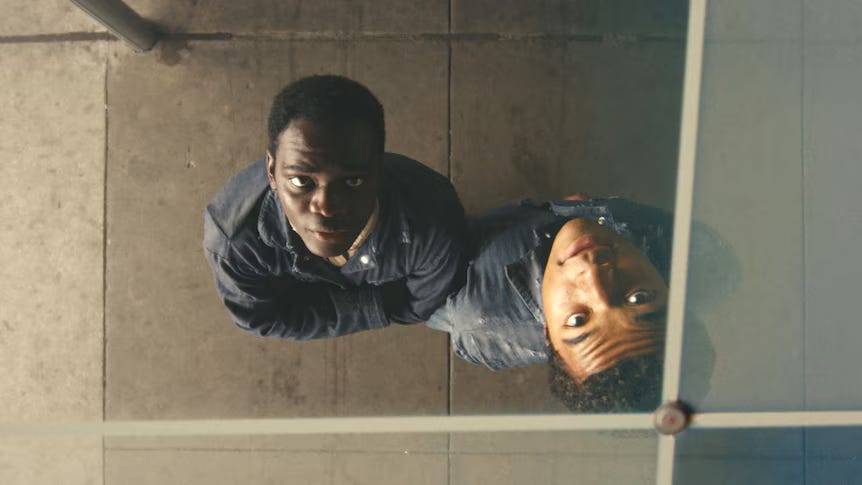
It is a crime that Amazon bought Nickel Boys then proceeded to stick it on their platform without seemingly telling anyone about it.
Nickel Boys is an emotionally poignant and visually beautiful film from RaMell Ross in his narrative feature debut. Perhaps it is Ross’ documentary background which gives this film so much life.
By far the highlight of Nickel Boys is its distinctive choice to shoot in a first-person point-of-view. Jomo Fray’s bold and breathtaking cinematography is some of the absolute best from this line-up of contenders, rivaled only by the epicness of Dune: Part Two. It is an incredible shame it wasn’t even nominated in the category. It takes ordinary things like trees, streets and buildings and finds the most interesting and light-filled angles.
Ethan Herisse and Brandon Wilson, each only delivering their third performance in a film, are excellent in their leading roles as friends Elwood and Turner.
Aunjanue Ellis-Taylor follows up her Oscar-nominated appearance in King Richard from a few years ago with another captivating performance. It’s impossible not to feel something when she is onscreen.
Most of all, Nickel Boys enters a well-established canon of prison-focused films, such as The Shawshank Redemption and Holes, yet unlike some Oscar contenders’ reluctance to test a tried and true formula, it has something to say. Namely, it shines a light on the unfair and unjust treatment of African American boys in 1960s Florida.
The Substance dir. Coralie Fargeat
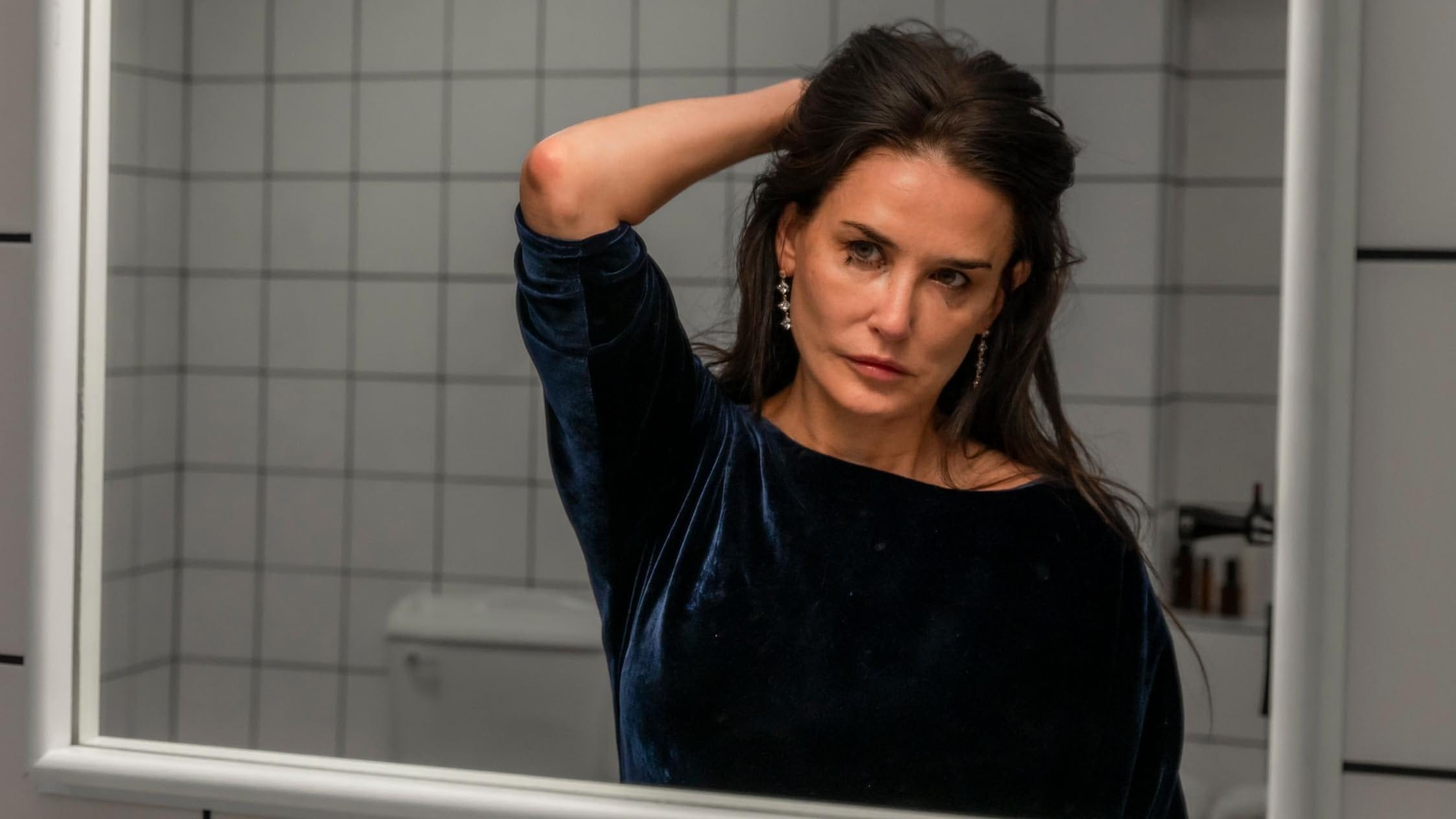
Review by Leah Anderson
I’m of two minds about the presence of The Substance on the Best Picture nominees list. On one hand, it’s great to see a genre film make the cut, especially one so unabashedly gory and strange. It’s even better to see a horror film on the list, as The Substance is one of only seven Best Picture horror nominees in 97 years.
On the other hand, I never really clicked with The Substance. I found the film itself overly long and, frankly, substanceless.
The runtime for The Substance is two hours and twenty minutes. With a film of that length you would expect a nuanced analysis of gender roles and beauty standards, but the film is painted in only the broadest strokes.
The central theme of The Substance is that relentless beauty standards push people in Hollywood towards dangerous cosmetic procedures. That theme is too insubstantial for a runtime of this length.
It feels like a short film stretched out to a movie that is already long by most standards. The start is slow and takes almost an hour to reveal itself as a gory gangbusters dark comedy. By the fourth fake out ending an audience member shouted, ‘Just wrap it up already!’ I couldn’t have agreed more.
Despite this, there is a lot to enjoy. Demi Moore turns in a Best Actress worthy performance from start to finish. Her work is only bolstered by Margaret Qualley’s spectacular turn as a younger, better Moore.
The colour palette for this film is beautiful and it compliments the bold, distinctive cinematography. The practical effects are beyond words, I couldn’t believe how great everything looked. The audience was gasping, groaning, and even gagging by the twenty-minute mark and the film never lets up.
I just wish that these visuals and performances belonged to a film with more to say.
Wicked dir. Jon M. Chu
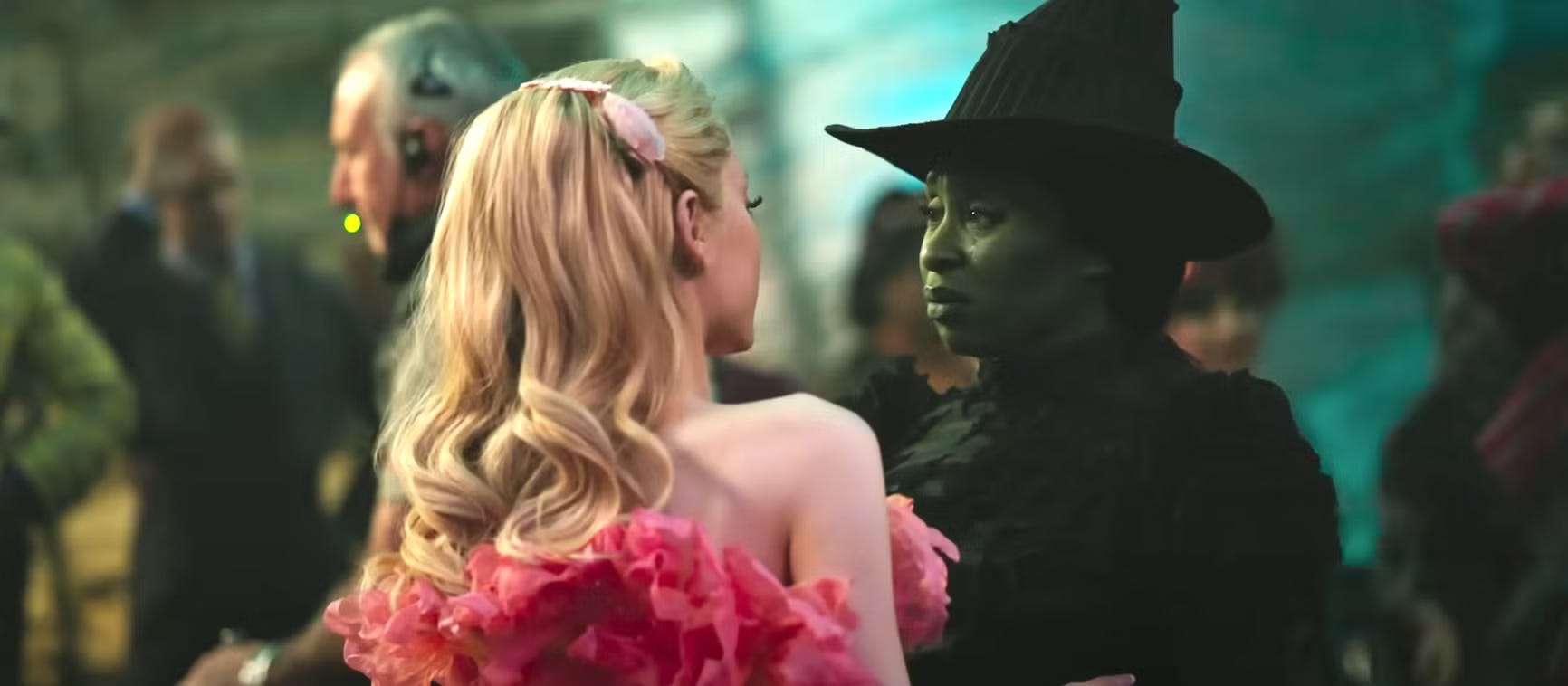
Adapting a much beloved musical for the screen was always going to be a daunting task, but Jon M. Chu’s decision to split one two and a half hour musical into two very long films confuses me on principle.
Sticking to the first act of the musical, Wicked lasts one hour longer without adding any new songs or plot points. Instead, that extra hour seems to come from dramatic pauses and characters staring at each other across the room.
The hype for Ariana Grande is real, although the revelation that a funny Glinda is the best Glinda was not as surprising to me given I’d seen Australia’s Courtney Monsma shortly beforehand. She gave the standout performance, although it was as much of a supporting performance as Saldaña’s (read: complete category fraud).
Cynthia Erivo as Elphaba and Jonathan Bailey as Fiyero also give excellent performances. Given the reverence of the original Broadway cast and many replacements since, the casting for the film adaptation has done a fantastic job of living up to the expectations of Wicked.
In some ways, Wicked is very visually interesting. Paul Tazewell’s costume design is new and innovative, with a particular highlight being Glinda’s pink and orange petal dress in the Ozdust ballroom sequence of ‘Dancing Through Life’.
However, so much of the beautiful set is badly and dimly lit leaving things feeling rather dull. Sequences that appear to draw on the fantastical nature of Oz instead feel overly fake and bleak.
Despite Erivo’s fantastic vocals, the Marvelification of showstopping nunber ‘Defying Gravity’ was disappointing to see. There’s no reason that song needed to be drawn out and yet the climax of the film takes forever to resolve.
Ranking
As you may have gathered by now, I didn’t feel especially enthusiastic about this year’s crop of films. It’s always a mixed bag, but usually there are a solid handful which change my life.
Here’s my ranking (minus The Substance):
Dune: Part Two dir. Denis Villeneuve
Nickel Boys dir. RaMell Ross
Ainda Estou Aqui (I’m Still Here) dir. Walter Salles
Conclave dir. Edward Berger
Anora dir. Sean Baker
Wicked dir. Jon M. Chu
A Complete Unknown dir. James Mangold
The Brutalist dir. Brady Corbet
Emilia Pérez dir. Jacques Audiard
I’m looking forward to a more interesting lineup in 2026.
The 97th Academy Awards ceremony took place on 3 March 2025. Anora won Best Picture.